
Functions of Detectable Gauze
Functions of Detectable Gauze


Gauze, cotton balls, and other medical dressings are the most common and indispensable medical consumables used in wound care and surgical procedures. However, during surgery, medical dressings may inadvertently be left inside a patient's body due to negligence by medical staff. Retained medical dressings can lead to infections and affect postoperative recovery in mild cases; in severe cases, they may deteriorate into tumors, endangering the patient's life.
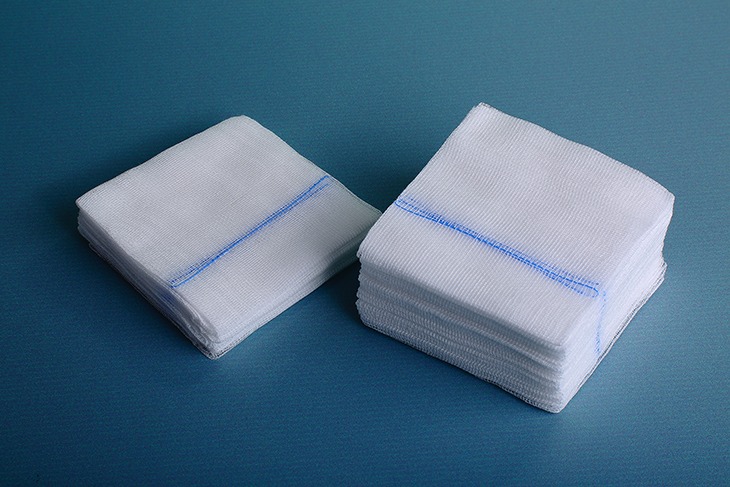
To prevent the occurrence of such medical accidents, radiopaque medical dressings have been developed. Radiopaque medical dressings are a new type of dressing that combines radiopaque threads with traditional dressings, allowing them to be clearly visible under X-ray illumination. The use of radiopaque threads enables medical staff to easily detect whether any medical dressings have been inadvertently left inside a patient during surgical procedures, thereby reducing surgical accidents and fostering better doctor-patient relationships. Section 5.1 of Chapter 7 in the "Guidelines for Nursing Practice in the Operating Room" explicitly stipulates that dressings with radiopaque markers should be used within surgical incisions. It is foreseeable that in the coming years, radiopaque dressings will gradually replace traditional dressings that lack radiopaque functionality.
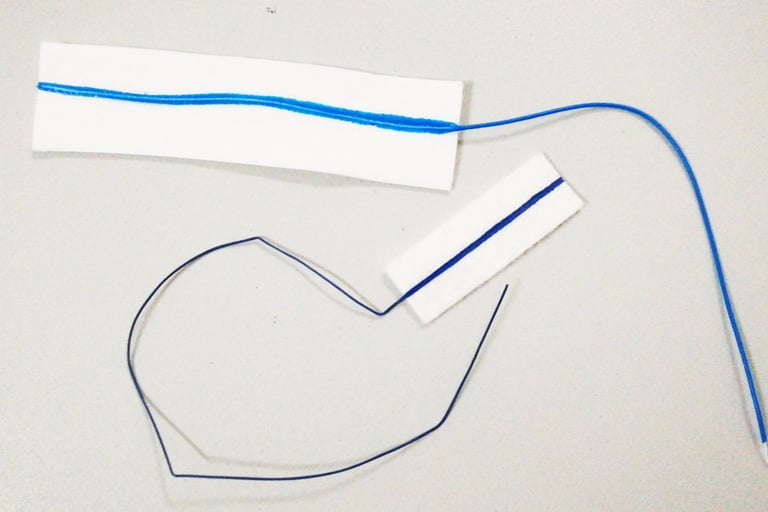
Radiopaque dressings can effectively show up under X-rays. After surgery, X-ray imaging of radiopaque gauze can immediately reveal whether any such gauze has been left inside the patient. The radiopaque function of these dressings primarily relies on radiopaque threads. Currently, most radiopaque threads available on the market are made by drawing a mixture of PVC and barium sulfate. The barium sulfate content in these threads determines the radiopacity of the gauze; higher content results in better visibility, making it easier for medical staff to detect any retained gauze within the patient.
However, during the processing and use of current PVC-based radiopaque threads, toxic hydrogen chloride gas can be generated. Some of this gas may escape from the radiopaque gauze, potentially affecting the patient's wound. Consequently, European and American countries are gradually phasing out PVC radiopaque threads. As medical standards improve, PVC threads are expected to be increasingly replaced by threads made from other biocompatible materials, such as polypropylene (PP), which are harmless to the human body.
There are two main processes for combining radiopaque gauze with radiopaque threads: ultrasonic heat sealing and weaving. Ultrasonic heat sealing offers superior stability, ensures a stronger bond with the gauze, and makes the thread less likely to detach when inside the body.
Office Location:
Medmoist Inc Corporation
1500 N GRANT ST, STE R, DENVER, CO 80203, US
Branch Offices:
22 F.-3, No. 285, Sec. 2, Taiwan Blvd., Minlong Vil., West Dist., Taichung City 403502, Taiwan
Contact Information:
Sales@sainsmed.com
Copyright © 2026 Sainsmed. All Rights Reserved. Sainsmed is a brand owned and operated by Medmoist Inc.