

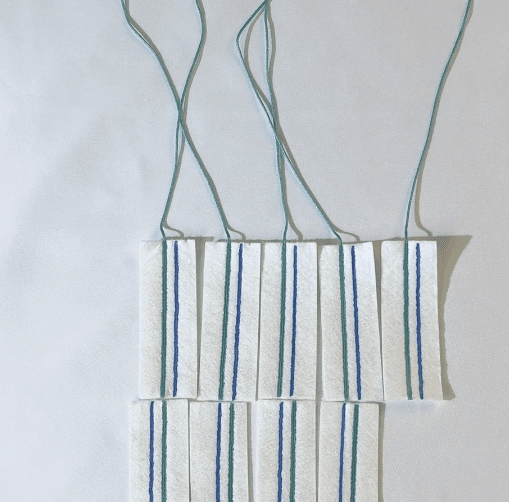
How Partnering with an Experienced Neuro Pattie Manufacturer Balances High Absorbency, Zero-Linting Security, and Procurement Budgets in Global Neurosurgery
1. Deciphering the Material Science of Cottonoids and Neuro Sponges
In delicate cranial and spinal procedures, the physical interaction between a surgical pad and exposed neural tissue dictates patient safety. For decades, the industry standard for these small, lint-free absorbent pads has hovered between traditional long-fiber cotton and compressed rayon blends. When evaluating a neuro pattie manufacturer, hospital clinical boards look closely at the structural differences between these materials. US manufacturers have long held the legacy footprint with proprietary compressed rayon texturing, commonly referred to as Cottonoid material. This technique provides high structural integrity when damp, keeping the material thin while remaining rigid enough to protect the brain tissue during tool retraction.
However, advanced manufacturing hubs in China have bridged this technological gap by utilizing advanced needle-punched non-woven rayon and high-purification cotton-polyurethane matrix combinations. The biological mechanism relies heavily on capillary action. A high-quality neuro pattie must absorb cerebrospinal fluid (CSF) and blood almost instantly—often up to five to seven times its dry weight—without swelling excessively and compressing surrounding structures. While domestic US brands rely on time-tested mechanical compression, Chinese manufacturers have introduced highly pliable hydro-entangled structures that offer superior adaptation to the deep, narrow grooves of the surgical field. The choice between them often comes down to a balance between familiar material density and enhanced spatial flexibility.
2. Clinical Scenario Adaptability from the Operating Room to the ICU
The true test of a premium neuro sponges wholesale supply happens under the high-intensity light of the neurosurgical operating theater. During a tumor resection or a microvascular decompression, a surgeon uses these pads for three primary tasks: maintaining a clear field via moisture absorption, protecting delicate structures from low-pressure suction tips, and achieving gentle mechanical hemostasis. If a pad sheds a single loose fiber or tears upon removal, it can trigger a foreign body granuloma or cause secondary bleeding on an unclipped vessel.
[Clinical Component Performance Profile]
Material Structure: Non-Woven Rayon Matrix vs. Traditional Cotton
Sutureweld Tensile Strength: 1.5N Minimum vs. Standard 1.0N
Radiopaque Element Integration: Heat-Sealed Barium Strip vs. Interwoven Filament
Looking at a standard ICU or post-operative monitoring environment, the demand shifts toward custom neurosurgical patties that can remain stable during prolonged, delicate wound packing or deep tissue drainage. Here, US suppliers offer deeply familiar, standardized sizes matching established surgical routines. Conversely, specialized Chinese manufacturing facilities excel at rapid adjustments, providing custom dimensions, varied string lengths, and specialized dual-sided textures tailored for specific micro-dissections. This agility allows hospitals to procure pads optimized for specialized pediatric neurosurgery or deep spine exposures without paying premium legacy prices.
3. Comparing Precision Sutureweld Bonding and Radiopaque Safety Elements
Patient safety in the operating room relies heavily on accounting for every single piece of medical consumables used. Because these pads are small and easily hidden within fluid-filled surgical spaces, strict compliance with counting protocols is an absolute legal and clinical requirement. Every product provided by a neurosurgical cottonoids supplier must feature two critical safety components: a high-contrast locator string and an X-ray detectable radiopaque marker.
[Safety Verification Standards]
* Barium Sulfate Line Visibility: Checked under 100kVp exposure
* Locator String Pull Test: Minimum 200g continuous tension resistance
* Edge Geometry: Ultrasonic sealed cut to ensure zero free-standing threads
The difference in how these elements are attached highlights the distinct manufacturing philosophies of East and West. Traditional US manufacturers frequently employ proprietary ultrasonic welding or specialized adhesive bonding that keeps the pad completely flat and uniform, preventing any surface stitch marks from pressing into the brain. Leading Chinese exporters have countered this by utilizing precision automated heat-sealing lines that melt the barium sulfate line directly into the core rayon matrix. This automated approach ensures that the tracking element cannot delaminate even when completely saturated with saline or autoclaved under high pressure, matching international standards while significantly lowering production costs.
4. Infection Control Standards and Regulatory Compliance Barriers
Entering the international hospital procurement network requires strict adherence to strict quality management systems. US manufacturers operate with the structural advantage of long-established FDA clearances (510k) and direct alignment with the American Association of Neurological Surgeons (AANS) preferences. This direct regulatory alignment minimizes paperwork hurdles for North American procurement officers, ensuring that every batch of medical lint free absorbent pads meets exact domestic biopolymer safety expectations.
For a Chinese neuro pattie manufacturer, breaking into these highly regulated Western markets has required substantial investments in cleanroom upgrades and quality management documentation. Modern Chinese export facilities now maintain state-of-the-art Class 100,000 (ISO 8) cleanrooms, backed by full ISO 13485 certification and European CE marks. These facilities utilize strictly validated Ethylene Oxide (EO) sterilization cycles, ensuring zero bioburden while carefully tracking residual gas levels to protect delicate mucosal membranes. While US products offer an easier path for domestic regulatory compliance, certified Chinese factories deliver fully compliant, identical safety performance that easily passes rigorous international audits.
5. Hospital Procurement Economics and Supply Chain Resilience
From the perspective of hospital financial officers and global medical distributors, buying specialized surgical supplies is a balancing act between unit cost and supply chain reliability. The legacy position of US manufacturers comes with a premium price tag, driven by higher domestic labor costs, strict regional corporate overhead, and structured distributor markups. When a hospital system relies solely on these domestic suppliers, they pay a premium for immediate local availability and a long-standing brand reputation.
[Global Procurement Comparison Matrix]
Attribute               | US Legacy Manufacturers           | Certified Chinese Exporters
------------------------|-----------------------------------|----------------------------------
Pricing Structure       | Premium tier; fixed volume cards  | Economical; tiered bulk discounts
Lead Time Agility       | Fast domestic; high backorder risk| Ocean/Air transit; high floor stock
Customization Freedom   | Limited to catalog dimensions     | High flexibility for custom sizes
Partnering directly with an agile Chinese neuro pattie manufacturer offers a powerful alternative for supply chain diversification. By utilizing automated, high-speed production lines, these manufacturers can offer substantial cost savings on high-volume orders. This economic advantage allows larger hospital networks to build up comfortable safety stocks without exceeding their quarterly budgets. In an era marked by sudden logistics bottlenecks and material shortages, maintaining a balanced procurement model—combining local legacy supply with a reliable, high-capacity overseas manufacturer—ensures continuous operating room access and helps insulate healthcare networks from sudden market shocks.
📚 References
- EPOS Guidelines on Rhinological and Skull Base Interventions: Evaluates material choices and the performance of non-adherent surgical patties on mucosal and dural safety.
- American Association of Neurological Surgeons (AANS) Technology Assessment: Focuses on foreign body retention risks and the mechanical performance standards of radiopaque tracking strings.
- PubMed Central (PMC8477822): Superior Effectiveness of a Newly Developed Nonadherent Polyurethane-Coated Surgical Patty for Hemostasis. A comparative study analyzing friction coefficients, material pull strength, and tissue adhesion across different international brands.