

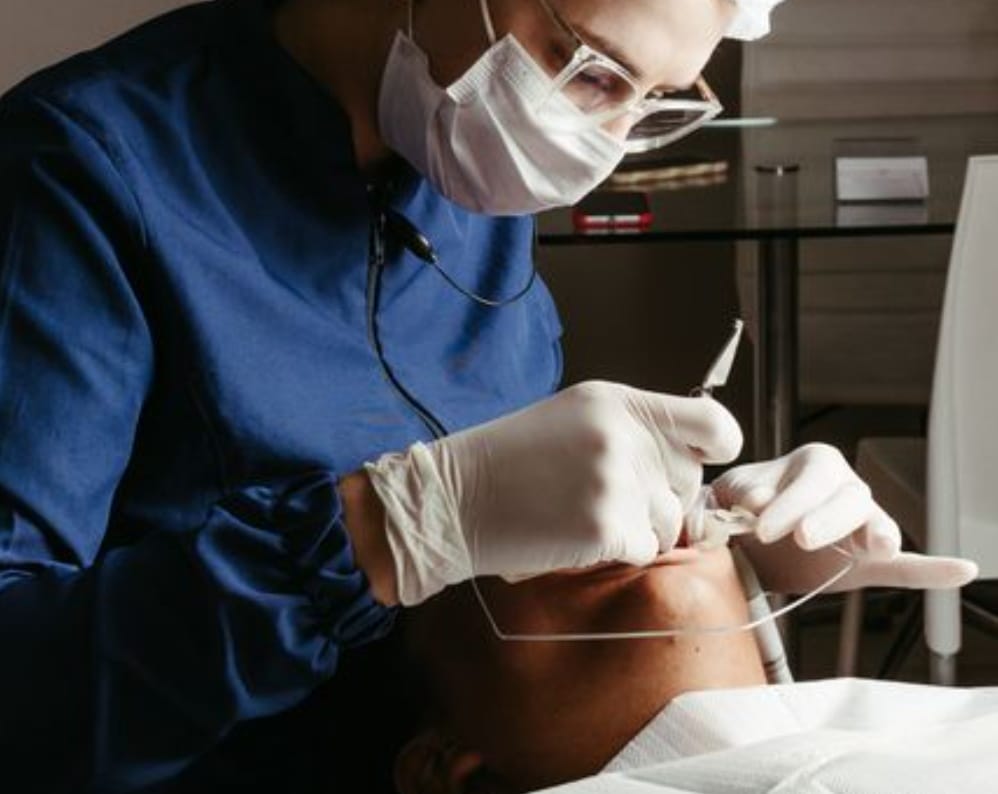
Clinical Protocols and Strategic Insights on How to Use Hemostatic Sponges in Dental Procedures to Reduce Chair Time and Optimize Clinic Inventory
1. The Mechanical Clotting Mechanism within the Alveolar Socket
When a general dentist or oral surgeon extracts a tooth, the primary immediate challenge is managing the vascular rupture within the alveolar bone. Understanding how to use hemostatic sponges in dental procedures starts with recognizing that an absorbable gelatin sponge acts as a physical matrix rather than a chemical trigger. Once placed into the fresh extraction socket, the porous structure of the sponge absorbs blood rapidly, expanding to fit the irregular bony walls of the alveolus.
This localized absorption concentrates platelets and clotting factors within the cross-linked gelatin framework. The physical pressure applied by the expanding sponge against the bleeding capillaries provides an immediate tamponade effect. Because the sponge handles fluid uptake so effectively, it stabilizes the fragile initial fibrin network, preventing the dislodgement of the blood clot that leads to alveolar osteitis, commonly known as dry socket. Clinical observation shows that this mechanical support is especially beneficial in patients with minor clotting variations or those taking antiplatelet medications, where natural clot formation is often delayed or compromised.
2. Standard Application Protocols During Routine and Surgical Extractions
In daily dental outpatient practice, the clinical workflow must remain efficient to maintain the daily patient schedule. To execute the protocol properly, the clinician must first clear excess blood from the extraction socket using low-volume suction, ensuring the bony architecture is visible. The dry gelatin sponge is then trimmed with sterile scissors to a size slightly larger than the wound defect, as a tight fit ensures maximum contact with the bleeding bone surfaces.
Using sterile cotton pliers, the clinician places the sponge directly into the root socket. Gentle, steady pressure is applied using a sterile gauze pack for two to three minutes, allowing the material to saturate fully with the patient’s blood. In multi-rooted molar extractions, separate pieces may be placed into individual root paths to ensure complete coverage. Unlike traditional gauze packing that requires the patient to bite hard for hours, the placement of an absorbable matrix provides immediate local control, allowing the clinician to proceed with suturing if necessary or move forward with postoperative patient briefings without unnecessary delays.
3. Comparing Gelatin Sponges with Resorbable Oxidized Regenerated Cellulose
Selecting the appropriate dental hemostatic agent requires an understanding of how different biomaterials behave in the oral cavity. While oxidized regenerated cellulose (ORC) is highly effective in general surgery, its inherently acidic pH can sometimes irritate the delicate oral mucosa and delay local bone remodeling in dental applications. In contrast, a purified porcine gelatin sponge maintains a neutral pH, which supports a highly favorable environment for early tissue granulation.
Furthermore, ORC can become slippery and difficult to handle when saturated with saliva and blood in the oral environment, occasionally washing out of an open socket. The gelatin sponge retains its basic block structure while conforming to the cavity, making it significantly easier to secure with a standard figure-eight suture. For routine dental extractions, the neutral, highly compliant nature of the gelatin matrix provides a more predictable healing path and reduces the incidence of localized tissue sloughing or post-surgical discomfort for the patient.
4. Managing Complex Outpatient Scenarios and Flap Surgeries
Beyond routine extractions, advanced oral procedures like dental implant placements, ridge augmentations, and soft tissue flap surgeries present complex bleeding challenges. During the reflection of a full-thickness mucoperiosteal flap, minor arterial oozing from the soft tissue can obscure the surgical field, increasing the risk of accidental nerve damage or improper implant positioning. Placing a compressed gelatin sponge along the flap margin helps maintain a clear view for the surgeon during high-precision drilling.
In sinus lift procedures, where the delicate Schneiderian membrane is at risk of perforation, a soft gelatin sponge can be used as a protective cushion to separate the bone graft material from the membrane. This versatile application across different tissue types highlights the product’s value in a busy multi-specialty dental practice, as a single material can transition from a simple socket plug to a complex tissue separator during advanced reconstructive surgeries.
5. Infection Control and Mucosal Safety in Oral Applications
The oral cavity is a unique surgical environment, constantly exposed to diverse bacterial flora and regular mechanical stress from swallowing and speech. Therefore, maintaining strict infection control and mucosal safety is a top priority for any implantable material. Premium gelatin sponges undergo strict purification to remove all cellular antigens, ensuring that the material triggers no adverse foreign-body reactions in the sensitive oral mucosa.
Sterilized via validated gamma irradiation, the sponges remain entirely sterile until the blister pack is opened at the chairside, minimizing the risk of introducing deep-seated pathogens into the alveolar bone. Because the sponge is completely absorbed by the body within four to six weeks, it leaves behind no residual fibers that could serve as a harbor for bacterial colonization. This clean degradation process is essential for long-term mucosal health, preventing the formation of chronic inflammatory granulomas that could interfere with subsequent bridge fabrication or dental implant osseointegration.
6. Procurement Strategy and Clinic Inventory Optimization
From a clinical procurement perspective, managing a dental outpatient facility requires balancing material quality with predictable operational costs. High-performing hemostatic sponges reduce total chair time per patient by accelerating the bleeding control process, allowing dental teams to increase patient throughput without compromising the standard of care. When a clinic utilizes lower-grade materials that dissolve too quickly or fail to compress properly, clinicians often use multiple units per procedure, which drives up material waste and increases overall expenses.
By standardizing a reliable absorbable gelatin sponge, procurement managers can streamline their inventory, eliminating the need to stock multiple niche clotting products. This consolidation allows dental groups to secure better volume pricing from medical distributors, reduce the administrative burden of tracking multiple expiration dates, and ensure that every operatory is consistently equipped with a dependable solution for unexpected surgical bleeding challenges.
📚 References
- World Health Organization. (2016). Global Guidelines for the Prevention of Surgical Site Infection. World Health Organization.
- American Academy of Pediatric Dentistry. (2021). Guideline on management of the developing dentition and occlusion in pediatric dentistry. Pediatric Dentistry, 43(6), 354-365.
- Scarano, A., Mortellaro, C., & Lorusso, F. (2020). Local hemostatic agents in oral surgery: A review of current materials and clinical applications. Journal of Craniofacial Surgery, 31(6), 1821-1825.