

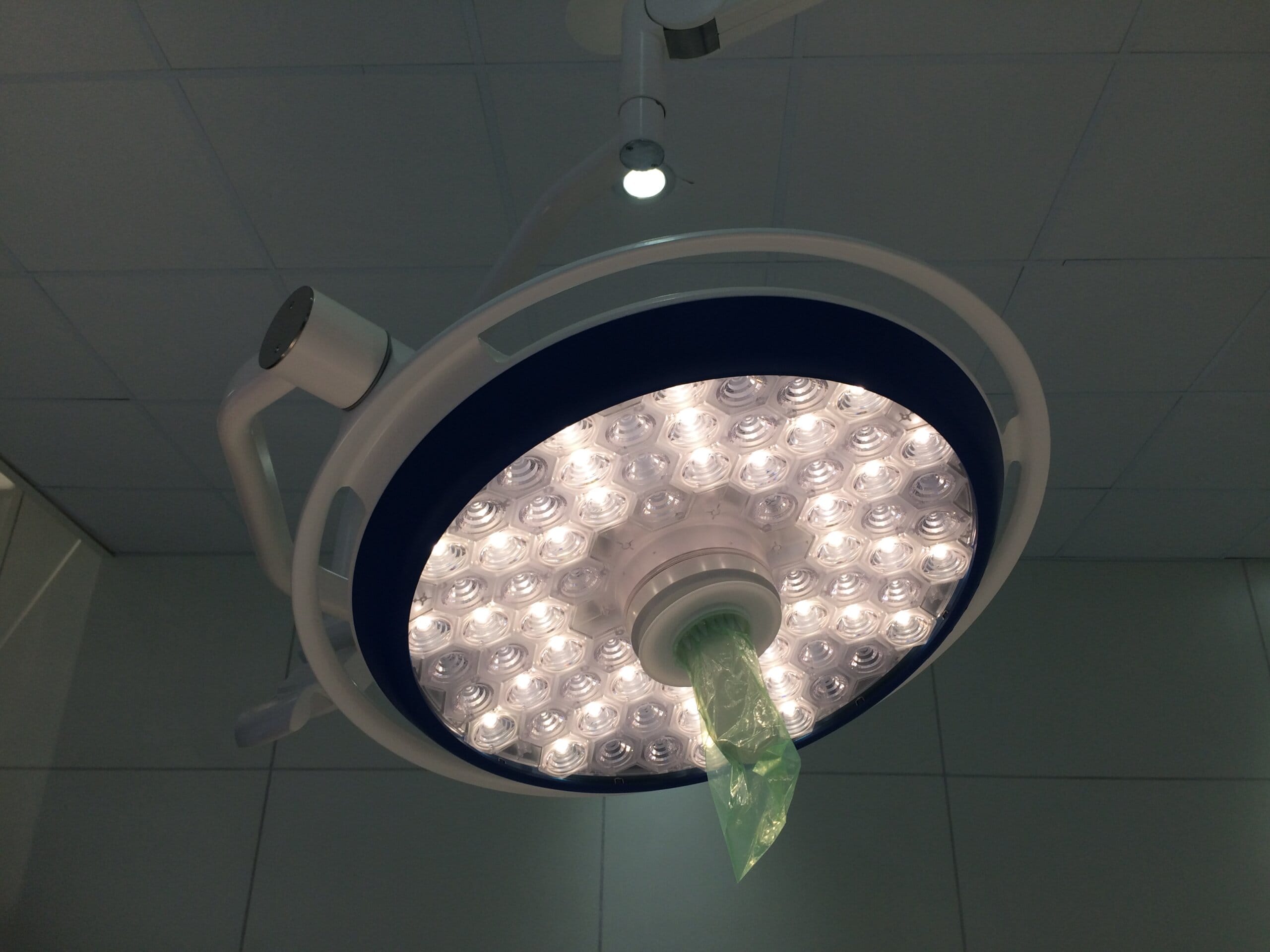
Why Optimizing Your Supply Chain with Universal Surgical Light Handle Covers Reduces Cross-Contamination and Minimizes Inventory Overhead
1. Maintaining the Sterile Field Architecture through Reliable Surgical Light Handle Covers
In the high-stakes environment of the modern operating room, maintaining an absolute barrier against microbial transmission is the cornerstone of patient safety. Surgical site infections remain a substantial driver of prolonged hospital stays and escalating healthcare costs worldwide. While surgical teams adhere to meticulous hand hygiene and sterile gowning protocols, the overhead lighting infrastructure presents a distinct mechanical challenge. These large, articulated light fixtures are essential for delivering optimal illumination during deep tissue dissections and intricate reconstructions, yet their complex housings cannot undergo thermal sterilization between cases. Utilizing medical-grade surgical light handle covers establishes a critical physical line of defense. This protective barrier isolates the non-sterile internal adjustment mechanisms of the light head from the sterile gloves of the executing surgeon. In practice, this simple intervention empowers the primary operator to dynamically adjust illumination angles mid-procedure without risking a catastrophic breach of the sterile field or requiring a non-sterile circulating nurse to manually reposition the fixture from an unsterile zone.
From a clinical mechanism perspective, the choice of material for these protective sheaths directly influences tactile feedback and barrier performance. High-performance polymers must resist micro-perforations while enduring the continuous mechanical stress of twisting and pulling during long surgical interventions. Cheap, low-quality plastics often suffer from material fatigue, leading to subtle tears that expose the surgeon’s sterile gloves to underlying contaminants. When a hospital implements rigid, validated covers, the risk of cross-contamination from non-sterile equipment surfaces drops precipitously. Furthermore, these physical barriers protect sensitive optical components and integrated adjustment switches from the corrosive residues left behind by aggressive, repeated chemical wiping. This long-term hardware protection reduces the frequency of maintenance callouts and preserves the structural integrity of high-capital surgical lighting assets over their operational lifecycle.
2. Alleviating Supply Chain Bottlenecks with a High-Compatibility Universal Light Handle Cover
A pervasive operational challenge for modern hospital purchasing departments is the fragmentation of medical equipment brands across different surgical suites. A single multi-specialty healthcare facility may operate legacy overhead lights in one wing while deploying advanced digital visualization lighting systems in a newly constructed trauma center. Historically, this equipment diversity forced materials managers to purchase proprietary, brand-specific consumables for each individual room. This fragmented sourcing model invariably leads to inflated administrative costs, complicated storage requirements, and an increased risk of clinical delays if a specialized cover goes out of stock. Transitioning to a high-compatibility universal light handle cover solves this systemic bottleneck by providing a single, standardized SKU capable of securely fitting a wide array of adapter styles and rigid core mechanisms. This standardization simplifies inventory management, allowing warehouse personnel to optimize shelf space and accurately predict consumption rates across the entire institution.
In the fast-paced ecosystem of centralized sterile supply departments, reducing the sheer volume of unique product codes directly correlates with fewer picking errors and smoother case cart preparation. When a nursing team knows that a single universal light handle cover fits every operating room light head in the building, the prep time required for emergency surgeries is significantly reduced. This operational agility is especially valuable during high-turnover clinical schedules, such as those found in ambulatory surgery centers, where every minute saved between procedures translates to improved patient throughput and lower labor costs. By leveraging the purchasing power of bulk procurement for a single, versatile product design, healthcare networks can negotiate highly competitive contract pricing while simultaneously eliminating the financial waste associated with short-expiry, niche consumables that accumulate in secondary storage rooms.
3. Cross-Referencing Third-Party System Performance with Major OEM Equipment like the Stryker Light Handle Cover
When evaluating third-party medical consumables for institutional adoption, clinical evaluation committees must ensure that alternative products meet or exceed the performance benchmarks established by original equipment manufacturers. A prime example within the surgical lighting market involves finding compatible solutions for globally deployed systems such as a proprietary stryker light handle cover. Industry leaders like Stryker have established high clinical standards for rigidity, fit, and spatial orientation within the sterile field. Third-party alternatives must match these strict dimensions perfectly to prevent dangerous slippage or unexpected decoupling during active surgery. If a protective sheath does not lock securely onto the light head core, the surgeon may inadvertently twist the cover off while adjusting the light focus, instantly compromising the sterile field and forcing an immediate halt to the operation while the team re-drapes and changes gloves.
To mitigate these clinical risks, advanced medical manufacturing utilizes precision injection molding techniques to ensure that third-party alternatives achieve a flawless, tactile lock on major OEM light systems. These generic covers feature internal retention tabs and reinforced collars that mirror the exact mechanical engagement of the original parts. During clinical trials in high-volume trauma units, these high-fidelity alternatives demonstrate identical mechanical reliability under continuous manipulation. By demonstrating complete physical compatibility with dominant market systems like Stryker, independent manufacturers provide hospitals with a reliable, risk-free pathway to break away from restrictive OEM single-source contracts. This commercial flexibility empowers healthcare procurement teams to introduce healthy competition into their supply chains, driving down operational costs without sacrificing the mechanical stability and infection control compliance that surgical teams demand.
4. Extending Infection Control Standards to Outpatient Sectors via the Dental Chair Light Handle Cover
While comprehensive infection control discussions often center around large-scale hospital operating rooms, the clinical necessity for robust physical barriers is equally urgent in specialized outpatient clinics. The field of modern dentistry, particularly invasive subspecialties like oral maxillofacial surgery, dental implantology, and advanced periodontics, requires an identical commitment to maintaining a sterile surgical field. During these close-quarters procedures, the clinician must continuously adjust the overhead examination lamp to maintain clear visualization inside the oral cavity. Because the practitioner’s gloves are frequently contaminated with patient saliva, blood, and aerosolized particulate matter from high-speed handpieces, the light handle becomes a primary reservoir for pathogenic microorganisms. Implementing a specialized dental chair light handle cover is an essential practice for preventing indirect cross-contamination between consecutive patients.
The clinical mechanism of disease transmission in a dental setting is heavily influenced by the generation of splatters and aerosols, which can settle on exposed equipment surfaces throughout the operatory. Relying solely on manual surface disinfection with chemical wipes between patient appointments introduces significant human variability, as busy staff may miss hidden crevices or fail to observe the required wet contact times for virucidal efficacy. Slipping a clear, medical-grade dental chair light handle cover over the lamp assembly ensures an immediate, absolute physical barrier that is discarded instantly at the conclusion of the appointment. This practice not only protects the patient from potential pathogens left behind by a previous individual but also safeguards the delicate plastic housings of dental lamps from the environmental stress cracking caused by alcohol-based disinfectants. For private practices and large dental service organizations alike, standardizing on these disposable barriers enhances patient trust, ensures compliance with strict public health audits, and streamlines room turnover protocols.
5. Financial and Operational Analysis: Disposable Surgical Light Handle Cover versus Reusable Autoclave Systems
[Procurement & Workflow Decision Matrix]
       ↓
[Option A: Reusable Aluminum Handles] -> Requires CSWD Labor -> Autoclave Energy Costs -> Risk of Missing Parts
       ↓
[Option B: Disposable Polyurethane Covers] -> Zero Reprocessing -> Instant OR Turnover -> Guaranteed Sterility
The choice between implementing a single-use disposable surgical light handle cover or relying on reusable rigid aluminum handles that undergo steam sterilization between cases represents a classic debate in hospital resource management. From a purely historical perspective, reusable options were favored under the assumption that they minimized long-term material procurement costs. However, modern healthcare economic analysis reveals that reusable systems carry substantial hidden financial and operational burdens. Every time a reusable handle is cleared from a surgical field, it must be transported to the central sterile processing department, manually pre-cleaned to remove bioburden, wrapped in sterile packaging, and processed through a high-temperature autoclave. This cycle demands a continuous expenditure of specialized labor, high volumes of purified water, electrical energy, and expensive chemical indicators, all of which combine to create a high total cost per use.
Conversely, adopting a high-quality disposable surgical light handle cover completely eliminates the reprocessing workflow from the hospital’s operational equation. These single-use items are delivered pre-sterilized via ethylene oxide or gamma irradiation, ensuring absolute sterility right out of the box and removing any human error associated with inadequate autoclave cycles. When evaluating surgical suite turnover times, the speed of discarding a single-use plastic cover and instantly snapping a new one in place allows nursing teams to prepare the operating room for the next patient much faster. This reduction in turnover time maximizes the utilization of expensive surgical suites, allowing hospitals to schedule additional procedures each day. When procurement managers calculate the combined savings in labor, utility costs, sterilization tracking documentation, and the elimination of delays caused by misplaced or unsterilized reusable handles, the economic data heavily favors standardizing on disposable protective sheaths.
6. Advanced Polymer Selection and Regulatory Compliance in Bulk Medical Consumables Procurement
The ultimate clinical efficacy of a surgical barrier depends fundamentally on the underlying material science and the manufacturer’s adherence to stringent regulatory frameworks. Premium light handle covers are constructed from high-density, latex-free polyethylene or advanced polyurethane formulations that offer exceptional tensile strength and complete mucosal safety. These specialized polymers are selected because they do not shed particulate matter into the sterile field and possess an inherently low coefficient of friction, which prevents the material from cracking or flaking during rapid adjustments. Furthermore, top-tier manufacturers ensure that their clear or tinted plastics feature a non-glare finish. This design consideration is critical for preventing the high-intensity overhead surgical lights from reflecting off the handle surface into the surgeon’s eyes, a phenomenon that can cause significant visual fatigue and impair depth perception during prolonged microscopic procedures.
From a global procurement and compliance standpoint, hospital integration committees must verify that their chosen consumables provider possesses full documentation for relevant international standards. This includes maintaining active registrations such as FDA 510(k) clearance, CE marking for the European market, and comprehensive ISO 13485 quality management certifications. For global B2B buyers, distributors, and logistics managers coordinating large-scale international shipments, verifying these regulatory credentials alongside the proper Harmonized System customs classification code is vital for ensuring seamless border clearance and preventing supply chain disruptions. Partnering with an experienced, transparent manufacturer that provides clear physical specifications, batch traceability, and consistent material compliance allows healthcare networks to confidently secure their supply chains, protect patient health, and achieve long-term fiscal predictability.
📚 References
- Association of periOperative Registered Nurses (AORN): Guidelines for Perioperative Practice: Sterile Field Maintenance and Operating Room Environmental Hygiene Protocols.
- Centers for Disease Control and Prevention (CDC): Guideline for Environmental Infection Control in Health-Care Facilities: Medical Consumables and Equipment Barrier Management.
- World Health Organization (WHO): Decontamination and Reprocessing of Medical Devices for Health-care Facilities: Comparative Analysis of Single-Use versus Reusable Systems.
- American Dental Association (ADA) / CDC: Guidelines for Infection Control in Dental Health-Care Settings: Barrier Protection for Clinical Contact Surfaces.