


A comprehensive analysis of sterilization wraps, nonwoven fabrics, crepe paper, and paper-plastic pouches in maintaining sterile barrier integrity
I. Importance of Sterile Barrier Systems in Healthcare Settings
Sterile barrier systems (SBS) are fundamental in preventing microbial contamination of medical devices from sterilization to point-of-use. According to the Association for the Advancement of Medical Instrumentation and International Organization for Standardization (ISO 11607), an effective SBS must ensure sterility, allow sterilization agent penetration, and maintain integrity during storage and transport.
In clinical environments such as operating rooms and central sterile supply departments (CSSD), improper packaging is a leading cause of sterilization failure and postoperative infection risks. Therefore, selecting appropriate sterile packaging materials directly impacts patient safety, workflow efficiency, and regulatory compliance.
II. Sterilization Wraps: Reusable vs Disposable Solutions
Sterilization wraps are widely used for instrument trays and surgical sets. Traditional textile wraps (cotton or polyester blends) are reusable but require laundering and re-sterilization, increasing operational complexity and risk of barrier degradation over time.
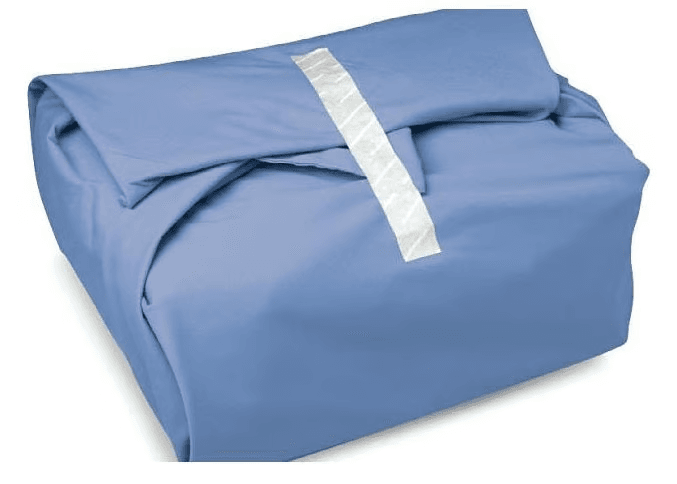
Disposable nonwoven wraps, typically made of polypropylene (SMS or SMMS structure), have become the standard in many healthcare systems. Studies published in journals such as Centers for Disease Control and Prevention highlight that single-use wraps provide more consistent microbial barrier performance and reduce cross-contamination risks.
Additionally, disposable wraps eliminate the need for reprocessing, significantly reducing labor burden in CSSD and improving turnaround time.
III. Nonwoven Fabrics and Crepe Paper: Structure and Performance
Nonwoven fabrics are engineered materials with controlled fiber bonding, offering high tensile strength, excellent bacterial filtration efficiency (BFE), and good breathability. Their multilayer structure ensures both durability and sterility maintenance.
Crepe paper, characterized by its wrinkled structure, provides flexibility and good drapability, making it suitable for lightweight instrument packaging. However, compared to nonwoven fabrics, crepe paper has lower tear resistance and may be more susceptible to moisture-related failure.
According to recent evaluations in infection control research (2023–2025), nonwoven materials demonstrate superior performance in maintaining sterile integrity under mechanical stress and humid conditions, making them preferable for critical surgical instruments.
IV. Paper-Plastic Pouches: Visibility and Sterility Assurance
Paper-plastic pouches combine medical-grade paper with transparent polymer film, allowing visual inspection of contents without compromising sterility. These are widely used for smaller instruments, dental tools, and outpatient surgical kits.
The porous paper side facilitates sterilant penetration (e.g., steam, ethylene oxide), while the plastic side ensures barrier protection and easy identification. Standards from World Health Organization emphasize the importance of proper sealing and integrity testing to avoid microleakage.
Their convenience and traceability make them essential in modern sterile supply chains, especially in decentralized healthcare settings.
V. Establishing an Effective Sterile Barrier System
An effective SBS is not determined by a single material but by the integration of packaging design, sterilization method, and handling procedures. Key considerations include:
- Compatibility with sterilization processes (steam, EO, plasma)
- Mechanical strength and puncture resistance
- Microbial barrier efficiency
- Ease of aseptic presentation
Healthcare facilities must implement validated packaging protocols and staff training to ensure compliance with ISO 11607 and related standards.
In recent years, the adoption of single-use sterile packaging solutions has addressed major industry pain points, including infection control, workflow inefficiency, and regulatory pressure. These materials provide reliable sterility assurance while reducing reprocessing workload and human error.
Conclusion
Sterile packaging materials—including sterilization wraps, nonwoven fabrics, crepe paper, and paper-plastic pouches—play a critical role in establishing and maintaining sterile barrier systems. Among these, nonwoven disposable solutions are increasingly favored due to their superior performance and operational efficiency.
For healthcare providers, selecting the appropriate packaging material based on clinical application and sterilization requirements is essential to ensuring patient safety, improving workflow, and meeting global regulatory standards.