
A practical ENT perspective on high-density PVA nasal packing in postoperative and epistaxis management
1. High-density PVA material structure and controlled expansion behavior in nasal cavity
In ENT practice, especially in septoplasty, rhinoplasty, and acute epistaxis management, the physical behavior of nasal packing material often determines the immediate clinical outcome. The PVA nasal expandable hemostatic sponge is typically manufactured from high-density, solid polyvinyl alcohol (PVA) without internal hollow pores. This seemingly simple structural difference has a direct impact on how the material interacts with blood and saline inside the nasal cavity.
Once inserted, the sponge absorbs fluid and expands in a controlled, uniform manner. Unlike gauze-based packing that can collapse or shift, the PVA structure maintains consistent volumetric expansion, allowing it to conform tightly to irregular nasal anatomy, including the middle meatus and septal surface. In practice, this is particularly valuable in postoperative nasal packing material for septoplasty, where stable internal pressure is required without over-compressing delicate mucosal tissue.
Clinicians often describe this behavior as “predictable expansion,” which reduces variability in surgical outcomes. The absence of air cavities also minimizes uneven swelling, helping the sponge maintain balanced pressure distribution across the wound surface. In both elective surgery and emergency epistaxis scenarios, this mechanical stability is one of the reasons PVA-based products are increasingly preferred in modern ENT workflows.
2. Hemostatic mechanism in epistaxis control and postoperative wound stabilization
The hemostatic function of a PVA nasal expandable hemostatic sponge is primarily mechanical rather than pharmacological. When exposed to blood or saline, the material expands and applies gentle but continuous pressure against the bleeding mucosal surface. This compression helps reduce capillary oozing and stabilizes small vascular injuries commonly seen after septoplasty or turbinate reduction.
In emergency settings such as anterior epistaxis, this mechanism is particularly valuable. Instead of relying on chemically impregnated materials or inflatable balloon systems, clinicians can use a single-use medical sponge for surgical bleeding control that works immediately upon contact with moisture. The pressure effect is uniform, which reduces localized ischemia while still achieving effective hemostasis.
Compared with traditional iodoform gauze packing, the PVA sponge tends to offer more consistent compression and fewer pressure-related complications. In many hospital protocols, this translates into improved first-attempt bleeding control, especially in busy emergency departments where emergency epistaxis management device options need to be fast, reliable, and easy to deploy.
From a physiological perspective, the controlled pressure also helps support early clot formation without excessively disturbing the surrounding mucosa, which is critical for postoperative healing stability.
3. Non-adherent surface properties and postoperative patient comfort considerations
One of the most clinically appreciated features of modern PVA nasal packing is its non-adherent behavior with mucosal tissue. After surgery, the nasal mucosa is often fragile, edematous, and prone to minor bleeding. Traditional gauze packing tends to adhere to the wound surface as fibrin forms, making removal painful and sometimes associated with secondary bleeding.
In contrast, the postoperative nasal packing material for septoplasty based on PVA maintains a smoother interaction with tissue. When it is time for removal, the sponge typically detaches without tearing the newly formed clot or disrupting the healing mucosal layer. This translates into a significantly improved patient experience, particularly in outpatient ENT follow-ups where discomfort during dressing changes is a major concern.
In real clinical workflows, this characteristic also reduces the need for additional analgesics or sedation during removal. For hospitals focusing on patient-centered care metrics, this is not a minor detail—it directly affects satisfaction scores and perceived quality of care.
Additionally, reduced adhesion lowers the risk of secondary bleeding events during extraction, which is especially important in elderly patients or individuals on anticoagulant therapy.
4. Clinical handling, customization, and workflow efficiency in ENT operating rooms and emergency settings
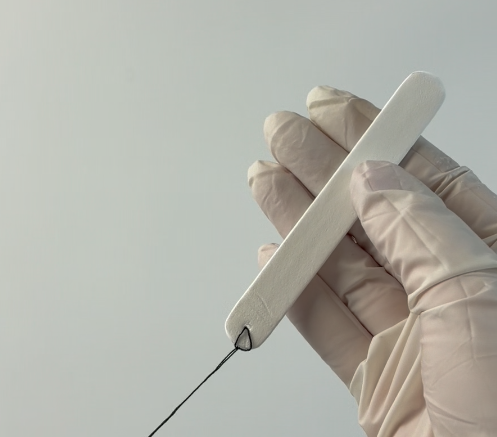
From a practical standpoint, ENT surgeons often value simplicity and adaptability during procedures. The PVA nasal expandable hemostatic sponge can typically be cut to size before insertion, allowing clinicians to tailor the material to individual nasal anatomy and surgical requirements. This is particularly useful in complex nasal reconstruction cases where cavity geometry is irregular.
The ability to adjust size also helps avoid excessive pressure on sensitive structures such as the inferior turbinate or septal cartilage. In many hospitals, this is described as a key advantage in hospital disposable nasal dressing material selection, as it reduces the risk of overpacking-related complications such as pain, ischemia, or septal necrosis.
Another important design consideration is the pre-planned expansion space. Surgeons often insert the sponge slightly compressed, anticipating fluid absorption post-placement. This predictable expansion allows better control over final positioning and reduces the need for repeated adjustments in the nasal cavity.
In emergency departments, where time efficiency is critical, this ease of handling contributes to faster stabilization of epistaxis cases. The simplicity of insertion and removal makes it a practical tool for both experienced ENT specialists and general emergency clinicians.
5. Comparison with traditional nasal packing materials and evolving clinical preferences
When comparing modern PVA-based sponges with traditional nasal packing options, several differences become clinically relevant. Conventional gauze strips, while inexpensive and widely available, lack controlled expansion behavior and often provide uneven pressure distribution. This can lead to discomfort and inconsistent hemostatic results.
Inflatable balloon packs offer adjustable pressure but require careful monitoring and may cause localized mucosal pressure injury if overinflated. Additionally, they are typically more complex to manage in outpatient settings.
The best absorbable hemostatic sponge for ENT surgery category, including high-density PVA materials, offers a middle ground: predictable expansion, stable compression, and improved patient comfort without requiring mechanical inflation systems.
In real-world hospital procurement discussions, clinicians often highlight workflow efficiency as a deciding factor. A hospital disposable nasal dressing material that reduces nursing time, simplifies training, and minimizes complication rates tends to be favored even if unit cost is slightly higher than gauze alternatives.
As a result, many ENT departments are gradually shifting toward PVA-based systems, particularly in centers that prioritize enhanced recovery protocols and outpatient surgical throughput.
6. Infection control, procurement efficiency, and hospital value assessment
From a procurement perspective, the adoption of single-use PVA nasal expandable hemostatic sponge products is often justified through infection control and workflow standardization. Single-use design reduces cross-contamination risk and aligns with modern hospital sterilization protocols recommended in surgical guidelines.
In ENT departments with high surgical volumes, standardized nasal packing materials also simplify inventory management. Instead of maintaining multiple types of gauze, medicated strips, and balloon systems, hospitals can streamline usage with a consistent product line.
Cost evaluation is not limited to unit price alone. When considering nursing time, complication management, and patient comfort outcomes, the total cost of care often favors more advanced materials. Reduced need for re-packing, fewer bleeding complications, and shorter follow-up interventions contribute to overall efficiency.
In practice, procurement teams increasingly evaluate products based on clinical workflow impact, not just material cost. This shift aligns with broader healthcare trends emphasizing value-based care and patient-centered outcomes.
For ENT surgeons and hospital administrators, the decision to adopt PVA-based nasal packing often reflects a balance between clinical performance, operational simplicity, and long-term cost optimization.
References
- EPOS 2020 – European Position Paper on Rhinosinusitis and Nasal Polyps
- AAO-HNS Clinical Practice Guideline: Nosebleed (Epistaxis) Management
- Rosenfeld RM, et al. Clinical practice guideline: nosebleed (epistaxis). Otolaryngology–Head and Neck Surgery.
- Relevant PubMed-indexed studies on nasal packing materials, mucosal healing, and postoperative epistaxis control strategies in ENT surgery