

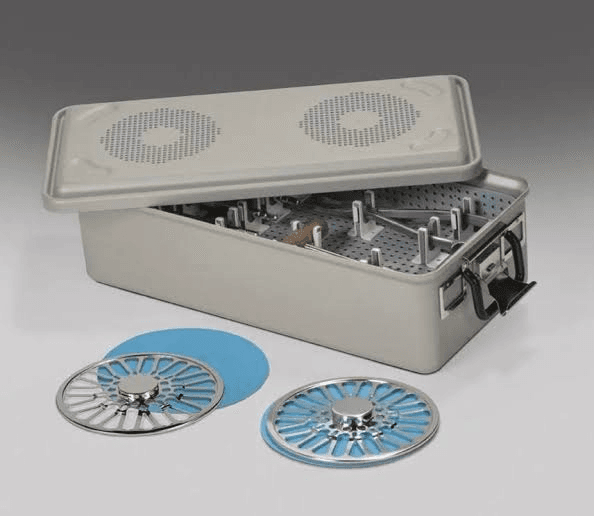
Implementing a Wholesale Surgical Instrument Box System Protects High-Value Assets, Ensures Mucosal Safety, and Drives Procurement Efficiency across Modern Hospitals
In many clinical settings, the continuous cycle of sterilizing, transporting, and storing delicate operating room assets presents a major logistical hurdle. Central Sterile Supply Departments (CSSDs) face constant pressure to maintain strict infection control while handling hundreds of delicate surgical instruments every day. When operating rooms run back-to-back schedules, a delay in instrument availability or a breach in sterile integrity can disrupt entire surgical lineups. This is why hospital procurement teams and medical distributors are shifting away from traditional single-use sterilization wraps. Instead, they are turning to a durable wholesale surgical instrument box system to guarantee long-term asset protection and cross-contamination prevention.
Choosing the right containment infrastructure involves evaluating how medical materials handle intense sterilization stress while remaining completely safe for direct tissue and mucosal contact. Traditional blue polypropylene wraps are highly vulnerable to tears, pinholes, and moisture retention during rapid-turnaround cycles. A single micro-tear compromises the sterile field, forcing staff to re-sterilize the entire batch. This wastes valuable operating room time and accelerates instrument wear. Upgrading to engineered medical instrument storage boxes removes these vulnerabilities by introducing a rigid physical barrier. These advanced containment systems are built to withstand the extreme thermal and pressure fluctuations of repeated steam autoclaving, ensuring tools arrive at the surgical table in pristine, aseptic condition.
1. The Physics of Steam Penetration and Micro-Barrier Mechanisms in Modern Containers
The primary mechanism of any high-quality rigid sterilization containers relies on their advanced pressure-regulating valves or specialized microbiological filters. During a standard dynamic-air-removal steam sterilization cycle, the internal chamber experiences aggressive vacuum pulses followed by high-pressure steam injections at temperatures reaching 134 degrees Celsius. The container must allow rapid steam penetration to cover every surface of the enclosed surgical devices, while preventing ambient room air from carrying microbial contaminants back inside during the cooling and drying phases.
What we often see in hospitals using outdated storage setups is poor heat distribution and condensation pooling, which causes “wet packs” that immediately invalidate the sterilization process. Modern stainless steel surgical box designs and anodized aluminum containers feature strategically placed perforation fields equipped with reusable polytetrafluoroethylene (PTFE) filters or gravity-activated valve systems. These components act as a precise micro-barrier. They allow steam to escape freely during drying but seal instantly when chamber pressure drops, keeping the interior fully sterile for extended periods. This level of moisture management protects delicate micro-surgical tips from oxidation and pitting, preserving structural integrity over thousands of clinical runs.
2. Streamlining High-Volume Operating Room Workflows and Rapid Turnaround Dynamics
Inside busy surgical departments, speed and precision are critical. When an operating room must transition rapidly between complex cases, surgical teams cannot afford to waste time inspecting soft-wrapped trays for accidental punctures or tearing. Utilizing dedicated surgical instrument trays wholesale units that integrate seamlessly into standard rigid containers allows for organized, procedure-specific instrument configurations. This structural predictability streamlines setup times for circulating nurses and surgical techs, who can immediately identify missing or damaged tools before an incision is made.
From a nursing perspective, a rigid wholesale surgical instrument box simplifies handling from the decontamination room all the way to the sterile field. Heavy orthopedic sets or delicate neurosurgical kits are shielded against impact damage during transport on utility carts. Many advanced storage systems feature color-coded lids and external tamper-evident locking tags, allowing staff to instantly verify a tray’s sterilization status and target specialty at a glance. By eliminating the time-consuming process of wrapping, taping, and inspecting delicate sets, a hospital can noticeably lower its turn-around times between surgeries, maximizing daily operating room throughput and improving overall patient care.
3. Analyzing the Long-Term Financial Impact of Rigid Containers versus Disposable Wraps
From a procurement and hospital financial management perspective, evaluating the total cost of ownership between disposable sterilization wraps and rigid medical instrument storage boxes reveals clear economic advantages. While single-use polypropylene wraps have a lower initial purchase price, they represent a continuous, recurring operational expense that grows with surgical volume. Additionally, the hidden costs of disposable wraps—such as high discard rates due to tearing, the labor required for wrapping, and the expense of re-sterilizing compromised trays—can strain tight hospital budgets.
The economic model shifts drastically when a facility invests in a bulk wholesale surgical instrument box fleet. High-grade anodized aluminum and stainless steel containers are engineered for a service life often exceeding ten years or several thousand sterilization cycles. This durability eliminates the recurring supply chain dependencies and disposal fees associated with single-use plastics. The table below outlines a standard operational cost comparison over a multi-year period for a mid-sized hospital facility:
| Cost Factor | Disposable Polypropylene Wraps | Rigid Wholesale Surgical Instrument Box System |
| Initial Capital Outlay | Very Low | Higher Initial Investment |
| Recurring Material Costs | Continuous expenditure per surgical case | Minimal (occasional filter or seal replacement) |
| Labor Overhead | High (constant manual wrapping and inspection) | Low (rapid drop-in tray placement) |
| Accidental Compromise Rate | Up to 10% annual wrap damage rate | Near 0% due to rigid impact resistance |
| Environmental Disposal Cost | Substantial medical waste volume and fees | Zero waste footprint over a 10-year lifespan |
4. Enhancing Infection Control and Compliance with Global Clinical Standards
Adhering to strict clinical guidelines, such as those established by the World Health Organization (WHO) and the Association for the Advancement of Medical Instrumentation (AAMI), requires absolute validation of every sterilization step. A major risk with soft-wrapped trays is the human error involved in manual folding techniques, which can create subtle pathways for ambient bacteria. A wholesale surgical instrument box removes this variable by providing a standardized, mechanical seal configuration that locks tightly every single time.
This mechanical reliability is essential for infection control, particularly when safeguarding patient health against surgical site infections (SSIs). The medical-grade silicone gaskets embedded in the rims of these containers ensure a continuous, airtight seal that maintains internal sterility even during long-term storage in fluctuating environments. Furthermore, because these boxes prevent moisture accumulation, they eliminate the damp environments where biofilm-forming bacteria thrive. Implementing a closed, rigid sterilization container strategy gives clinical teams full confidence that their instruments meet international standards for mucosal safety and aseptic delivery.
5. Material Safety and Avoiding Allergenic Risks in Patient-Facing Environments
When purchasing medical consumables, materials science plays a vital role in protecting patient safety. Surgical instruments frequently make direct contact with deep tissue layers and delicate mucosal membranes. Any chemical residues, manufacturing oils, or degraded particles left on an instrument tray can trigger severe inflammatory or foreign-body reactions in vulnerable patients. Lower-grade storage plastics or non-compliant alloys can leach compounds under high-temperature steam, posing long-term health risks.
Choosing a premium stainless steel surgical box or a high-durability anodized aluminum container guarantees excellent biocompatibility and zero chemical leaching. These materials are chosen for their passive surface chemistry, which resists corrosion from enzymatic pre-cleaners and high-pH hospital detergents. Additionally, the smooth, non-porous surfaces prevent protein adhesion, ensuring that blood and bioburden are completely removed during automated washing cycles. By maintaining a clean, non-reactive environment for instrument kits, hospitals protect their patients from allergenic or toxic exposures throughout the surgical process.
6. Strategic B2B Supply Chain Management and Bulk Procurement Logistics
For international medical supply distributors and hospital group purchasing organizations (GPOs), sourcing wholesale surgical instrument box products requires focusing on supply chain resilience and global logistics efficiency. Medical containers are highly specialized equipment that must feature uniform dimensions to maximize space in standard hospital autoclaves and CSSD storage racks. Working with an experienced B2B manufacturer ensures that every container, basket, and silicone insert matches international sizing standards, allowing for seamless integration into existing hospital workflows.
In practice, this means bulk procurement teams can negotiate optimized shipping and manufacturing schedules to support major hospital expansion projects or supply chain overhauls. Purchasing sterilization containment systems in volume lowers per-unit shipping costs and ensures a steady supply of matching accessories, such as identification tags, filters, and safety locks. Partnering with a reliable B2B supplier helps healthcare networks reduce supply chain vulnerabilities, lower operational overhead, and provide their clinical teams with dependable tools to support patient safety.
📚 References
- World Health Organization (WHO). (2016). Decontamination and Reprocessing of Medical Devices for Health Care Facilities. WHO Guidelines Approved by the Guidelines Review Committee.
- Association for the Advancement of Medical Instrumentation (AAMI). (2017). ANSI/AAMI ST79: Comprehensive guide to steam sterilization and sterility assurance in health care facilities.
- Centers for Disease Control and Prevention (CDC). (2008). Guideline for Disinfection and Sterilization in Healthcare Facilities. U.S. Department of Health and Human Services.
- Rutala, W. A., & Weber, D. J. (2019). Disinfection and sterilization in health care facilities: An overview and current issues. Infectious Disease Clinics, 33(4), 1081-1100.