
How to Use Sterile Protective Sleeves – Usage Instructions for Laparoscopic Protective Sleeves
How to Use Sterile Protective Sleeves – Usage Instructions for Laparoscopic Protective Sleeves
With the rapid development of surgical procedures and the widespread adoption of new surgical instruments, devices such as laparoscopes, electrosurgical units, arthroscopes, and hysteroscopes are becoming increasingly common. How to quickly and effectively apply sterile protective sleeves and connect them to sterile instruments to ensure the smooth progress of surgery has become a crucial step in operating room instrument preparation.
Currently, sterile protective sleeves are relatively long and are primarily made of polyethylene film material. They must be donned over the operator's hands while wearing sterile gloves.
The following is an example of the usage method for a laparoscopic instrument protective sleeve:
Endoscopic surgery utilizes optical endoscopes and video monitoring systems to operate on affected areas of the patient. Commonly used optical endoscopes include arthroscopes, gastroscopes, cystoscopes, resectoscopes, and percutaneous nephroscopes. Since optical endoscopes need to be inserted into the patient's body, they must be sterilized and disinfected prior to surgery and maintained in a sterile state throughout the procedure.
During surgery, the endoscope must be connected to the camera control unit via a connection cable. To extend the service life of the camera cable, it is not sterilized before surgery. Currently, the standard practice is to cover the connection cable with a sterile protective sleeve before connecting it to the sterilized endoscope in the surgical field. The sterile protective sleeve is made of transparent polymer film, shaped as a straight cylinder, with drawstrings at both ends for tightening.
Before surgery, the nurse threads the camera connection cable into one end of the sterile protective sleeve and ties the opening tightly with a string. Then, the eyepiece end of the endoscope is inserted from the other end of the sleeve. Once it clicks into place with the camera connection cable, the other opening of the sleeve is also tied tightly with a string. This ensures that the objective lens end of the endoscope, which enters the patient's body, remains in a sterile state.
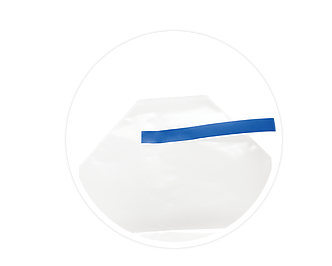
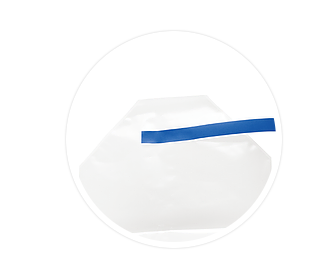
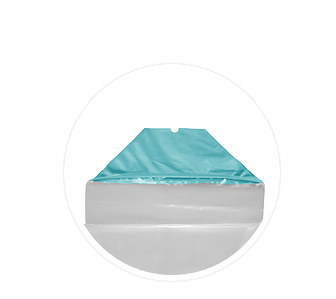
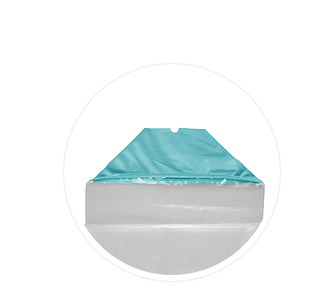
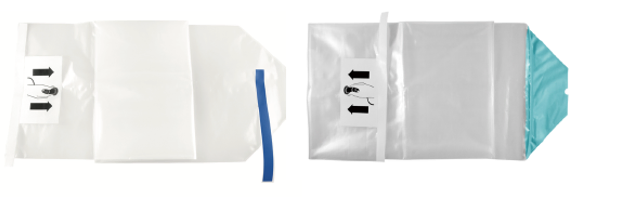
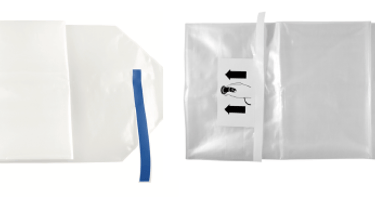
The laparoscopic protective sleeves produced by our company are available in various specifications and models to meet the needs of a wide range of medical institutions. Current specifications include: 20200, 14200, and 14*150. The front end of the protective sleeve is available in two types: drawstring type and shrink-hole type, as shown in the figure below:


Contact Information:
+(886)-04-23150236
Sales@sainsmed.com
Office Location:
Jetstar Corporation Limited
Sales@sainsmed.com
22 F.-3, No. 285, Sec. 2, Taiwan Blvd., Minlong Vil., West Dist., Taichung City 403502, Taiwan
Business Hours:
Monday - Friday
9am - 6pm